ITO Glass Heater: Advantages, Applications and Processing Principle of Electric-Heated Glass
ITO Glass Heater technology is an advanced electric heating solution that combines transparent conductive coatings with glass substrates to provide efficient, uniform, and controlled heating. ITO stands for Indium Tin Oxide, a transparent conductive material widely used in electronic and optical applications.
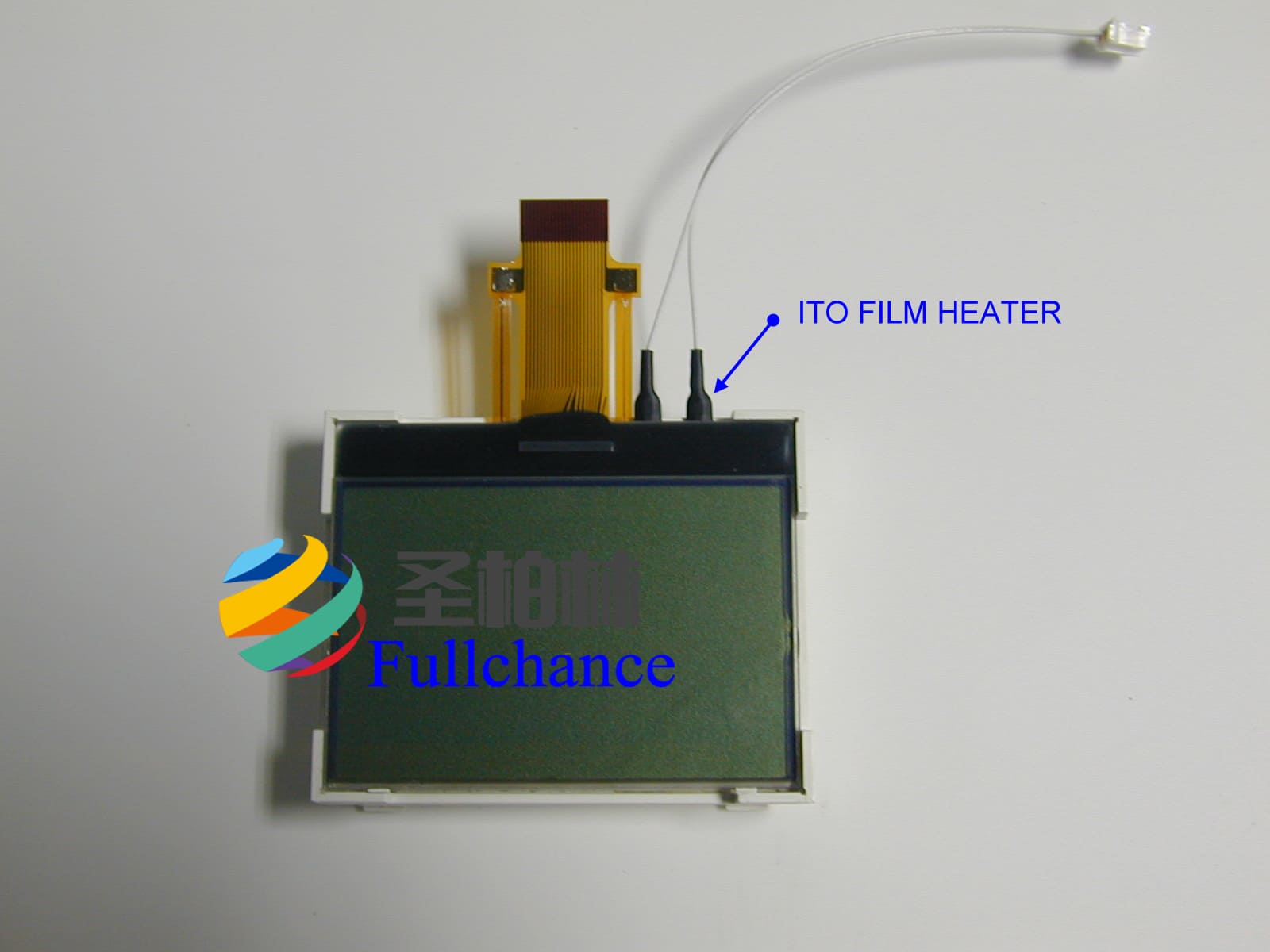
An ITO glass heater uses a thin, electrically conductive ITO coating deposited on the surface of glass. When an electric current passes through this conductive layer, electrical energy is converted into heat through resistance heating. The result is a transparent heating element that delivers effective thermal performance while maintaining excellent optical visibility.
ITO glass heaters are widely used in applications where transparency, temperature control, and reliable heating are essential, including optical instruments, medical equipment, automotive systems, display devices, laboratory equipment, and industrial applications.
1. What Is an ITO Glass Heater?
An ITO glass heater is a transparent electric heating element manufactured by coating glass with a thin layer of indium tin oxide. This coating provides electrical conductivity while allowing most visible light to pass through.
Unlike conventional heating elements, which may use visible metal wires or heating coils, ITO glass heaters provide a relatively uniform heating surface without significantly affecting visibility.
The heater typically consists of:
-
Glass substrate: Provides mechanical support and optical transparency.
-
ITO conductive coating: Acts as the transparent resistive heating layer.
-
Electrodes or busbars: Supply electrical current to the conductive coating.
-
Electrical connections: Connect the heater to a power source.
-
Temperature control system: Regulates heating performance and operating temperature when required.
2. Processing Principle of Electric-Heated Glass
The operating principle of an ITO glass heater is based on Joule heating, also known as electrical resistance heating.
When an electrical voltage is applied across the electrodes, current flows through the transparent ITO conductive film. Because the coating has electrical resistance, electrical energy is converted into thermal energy, increasing the glass surface temperature.
The basic heating process involves the following steps:
Step 1: Preparation of the Glass Substrate
High-quality glass is selected according to the required dimensions, thickness, transparency, and operating conditions. The glass surface is carefully cleaned to remove dust, oil, and other contaminants.
Step 2: ITO Film Deposition
A thin layer of indium tin oxide is deposited onto the glass surface. Common deposition techniques include magnetron sputtering and other suitable thin-film coating processes.
The thickness and electrical properties of the ITO layer influence its sheet resistance, transparency, and heating performance.
Step 3: Electrode Installation
Conductive electrodes or busbars are applied to designated areas of the ITO coating. These electrodes distribute electrical current across the heating layer.
Step 4: Electrical Connection
Electrical terminals are connected to the electrodes to supply the required voltage and current.
Step 5: Heating and Temperature Control
When power is switched on, current passes through the ITO film, generating heat through electrical resistance. A suitable temperature controller and sensor can be incorporated to maintain the desired temperature.
Step 6: Testing and Quality Inspection
The finished ITO glass heater undergoes electrical, thermal, and optical inspections to evaluate heating uniformity, resistance, insulation, transparency, and overall performance.
3. Major Advantages of ITO Glass Heaters
ITO glass heaters offer several advantages over conventional heating technologies.
3.1 Excellent Transparency
One of the biggest advantages is their ability to generate heat without obstructing visibility. The transparent conductive coating makes them suitable for optical equipment, display panels, observation windows, and other applications requiring clear vision.
3.2 Uniform Surface Heating
ITO conductive films can provide relatively uniform heat distribution across the glass surface when properly designed. This helps minimize localized hot spots and supports consistent heating performance.
3.3 Fast Heating Response
ITO glass heaters can respond quickly to electrical input, making them suitable for applications requiring efficient temperature adjustment and controlled heating.
3.4 Energy-Efficient Heating
Direct resistance heating converts electrical energy into heat at the conductive coating. With suitable thermal insulation and control systems, ITO heaters can provide efficient heating performance.
3.5 Compact and Lightweight Design
ITO glass heaters can be manufactured in different sizes and shapes, allowing integration into compact equipment and specialized heating assemblies.
3.6 Anti-Fogging and Defrosting
The heating surface helps prevent condensation and frost accumulation, making ITO glass heaters useful for maintaining clear visibility in demanding environments.
3.7 Customizable Design
Depending on application requirements, manufacturers can customize glass dimensions, thickness, electrical resistance, electrode positions, voltage, power rating, and temperature-control arrangements.
4. Applications of ITO Glass Heaters
ITO glass heaters are used across various industries because they combine transparent heating with reliable electrical performance.
4.1 Optical Instruments
ITO heating glass is used in optical equipment to prevent condensation and maintain clear viewing surfaces. It is suitable for optical windows, inspection equipment, microscopes, and specialized optical systems.
4.2 Automotive Industry
In automotive applications, transparent heaters can help prevent fogging and frost formation on selected glass surfaces, improving visibility and supporting driver safety.
4.3 Medical and Laboratory Equipment
ITO glass heaters are suitable for specialized medical and laboratory equipment requiring transparent, controlled heating surfaces. Examples include optical inspection systems, laboratory observation windows, and temperature-controlled instruments.
4.4 Display and Electronic Equipment
ITO heating technology can be integrated into selected display and electronic assemblies to prevent condensation and maintain stable operating conditions.
4.5 Industrial Observation Windows
Industrial equipment operating in humid or low-temperature environments may experience condensation on observation windows. ITO glass heaters provide a transparent heating solution that helps maintain visibility.
4.6 Scientific and Research Equipment
Research laboratories use transparent conductive heating glass in specialized experimental devices, optical measurement systems, and temperature-controlled applications.
4.7 Aerospace and Specialized Equipment
ITO glass heating technology can be considered for selected aerospace and specialized optical applications where transparent surfaces require controlled heating and defogging.
5. Important Technical Parameters When Selecting an ITO Glass Heater
Choosing the right ITO glass heater requires evaluating several technical parameters according to the intended application.
| Parameter | Description |
|---|---|
| Glass dimensions | Length, width, and shape |
| Glass thickness | Mechanical strength and application requirements |
| ITO coating | Transparent conductive film |
| Sheet resistance | Electrical resistance of the coating per square |
| Operating voltage | Required electrical input |
| Power rating | Heating capacity in watts |
| Optical transmittance | Amount of visible light passing through |
| Heating temperature | Required operating temperature |
| Heating uniformity | Temperature distribution across the surface |
| Electrode design | Position and configuration of electrical contacts |
The appropriate specifications depend on the required heating temperature, glass size, environmental conditions, and electrical safety requirements.
6. ITO Glass Heater vs. Conventional Heating Elements
Traditional heating elements often use metal wires, coils, or resistance strips. Although effective, these elements may obstruct visibility or create localized heating areas.
ITO glass heaters offer a different approach by using a transparent conductive coating directly on the glass surface.
Key differences include:
-
Visibility: ITO heaters maintain transparency, whereas conventional heating wires may be visible.
-
Heating surface: ITO coatings provide a broad heating area instead of relying on individual heating wires.
-
Integration: ITO heaters can be integrated into transparent glass assemblies.
-
Applications: ITO heaters are particularly suitable for optical, electronic, and anti-fogging applications.
The best choice depends on operating temperature, required power, environmental conditions, cost, and product design.
7. How to Choose a Reliable ITO Glass Heater Manufacturer
When purchasing an ITO glass heater, it is important to work with an experienced manufacturer capable of providing customized heating solutions.
Consider the following factors:
-
Manufacturing experience: Choose a manufacturer with experience in transparent conductive heating technology.
-
Customization capabilities: Check whether different glass dimensions, resistance values, voltages, and power ratings are available.
-
Heating performance: Evaluate temperature uniformity, heating response, and thermal stability.
-
Optical quality: Ensure that transparency meets the requirements of your application.
-
Quality testing: Verify electrical safety, insulation, resistance, and thermal performance.
-
Technical support: Select a supplier that can assist with product selection, engineering design, and customized solutions.
Conclusion
ITO glass heaters represent an innovative approach to transparent electric heating. By combining the optical transparency of glass with the electrical conductivity of indium tin oxide, they provide a practical solution for applications requiring clear visibility, controlled heating, and reliable thermal performance.
From optical instruments and automotive equipment to laboratory systems and industrial observation windows, ITO glass heaters offer versatile heating possibilities across multiple industries.
Fullchance specializes in advanced heating solutions, providing customized heater designs to meet different industrial and technical requirements. If you are looking for a reliable transparent heating solution, explore the ITO Glass Heater solutions available at Fullchance.com and contact the team to discuss your specific application requirements.


Comments
Post a Comment